

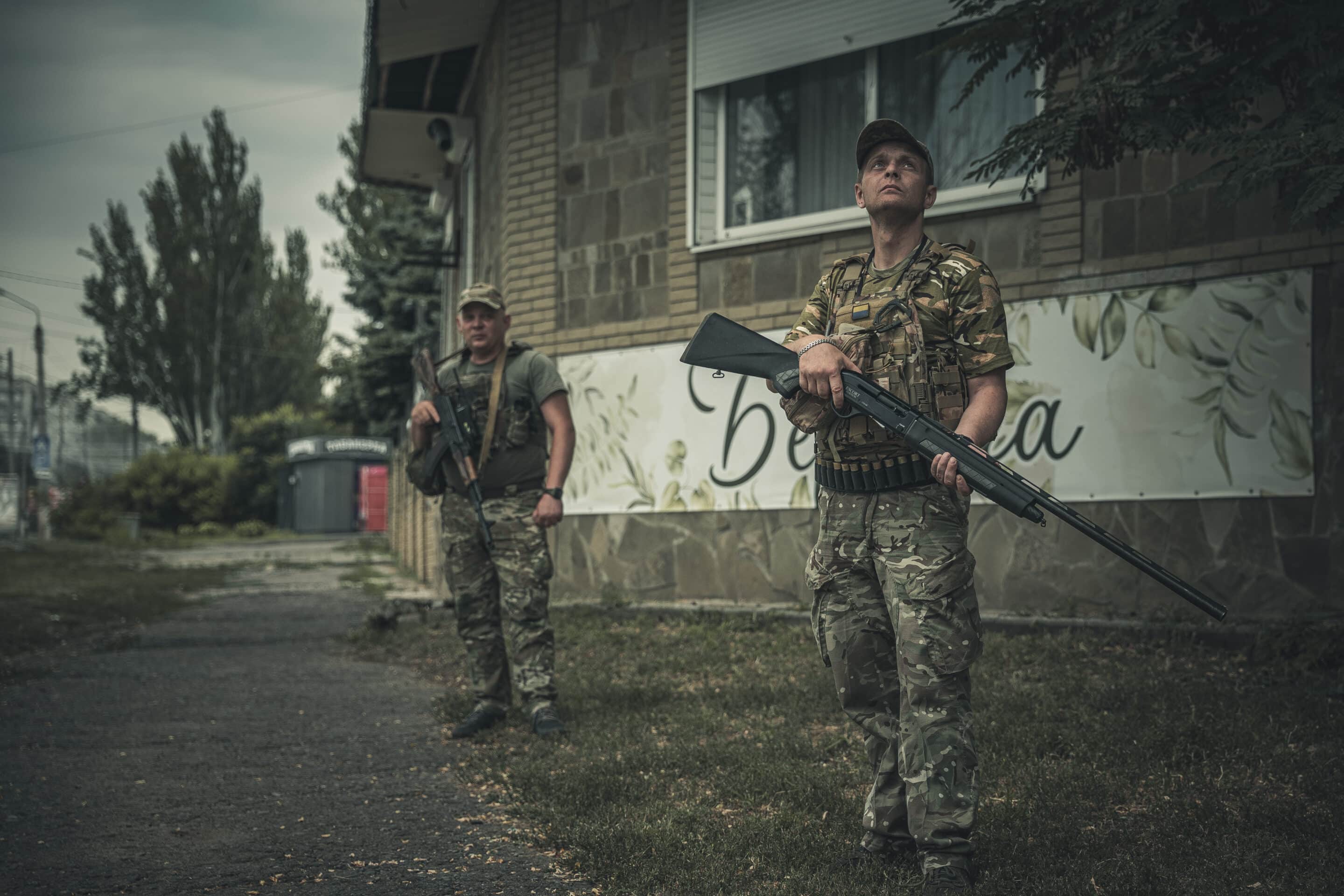





Forty kilometres of urban fabric, twelve years of fortifications: Sloviansk, Kramatorsk, Druzhkivka and Kostiantynivka form the last lock of the Ukrainian Donbas. Moscow is intensifying its effort there.
Their fall would open the eastern plains and the road to Kharkiv. A report from a city under glide bombs and drones.
The sirens howled every half-hour through the night, followed by explosions, sometimes distant, sometimes less than two kilometres away. Glide bombs, Shaheds and FPVs (drones guided by radio waves or by optical fibre) attacked without respite the city of Kramatorsk, where we had settled. By day, the blasts eased a little, but the drone threat grew more pressing. The day before, we had learned that the bridge carrying the main road at the entrance to the city had been destroyed, making the secondary roads less safe and further isolating the forward positions a few kilometres to the south and east.
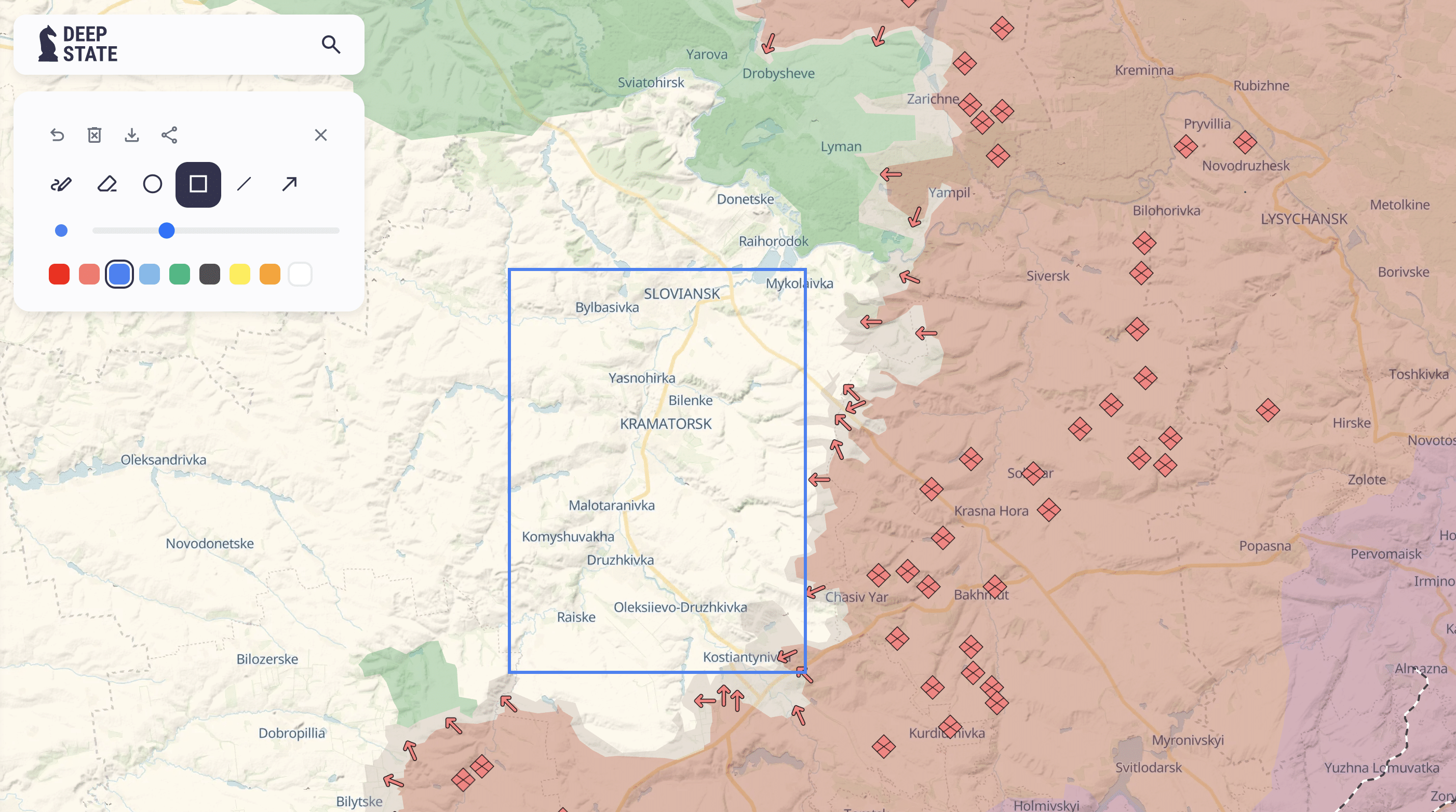
The Russian effort to seize the « Donbas fortress », made up of the cities of Sloviansk, Kramatorsk, Druzhkivka and Kostiantynivka, is intensifying.
And with good reason: it is the missing piece that would allow Russia to gain strategic control of the Donbas and then to direct its forces towards Kharkiv, Ukraine’s second city, an economic and intellectual hub from which a whole enterprising youth is working to repel the Kremlin’s ambitions. The Russian army had broken its teeth there in 2022.
Sloviansk-Kramatorsk-Kostiantynivka, the Donbas fortress
The Sloviansk-Kramatorsk-Kostiantynivka axis was turned into a fortress as early as 2014, the date of the first fighting between Ukraine and the Moscow-backed separatists. For ten years, the Ukrainian army has been installing dragon’s teeth and barbed wire, digging trenches and building concrete shelters. Since the drone threat emerged, it has covered most of the roads with nets to protect vehicles and logistics.
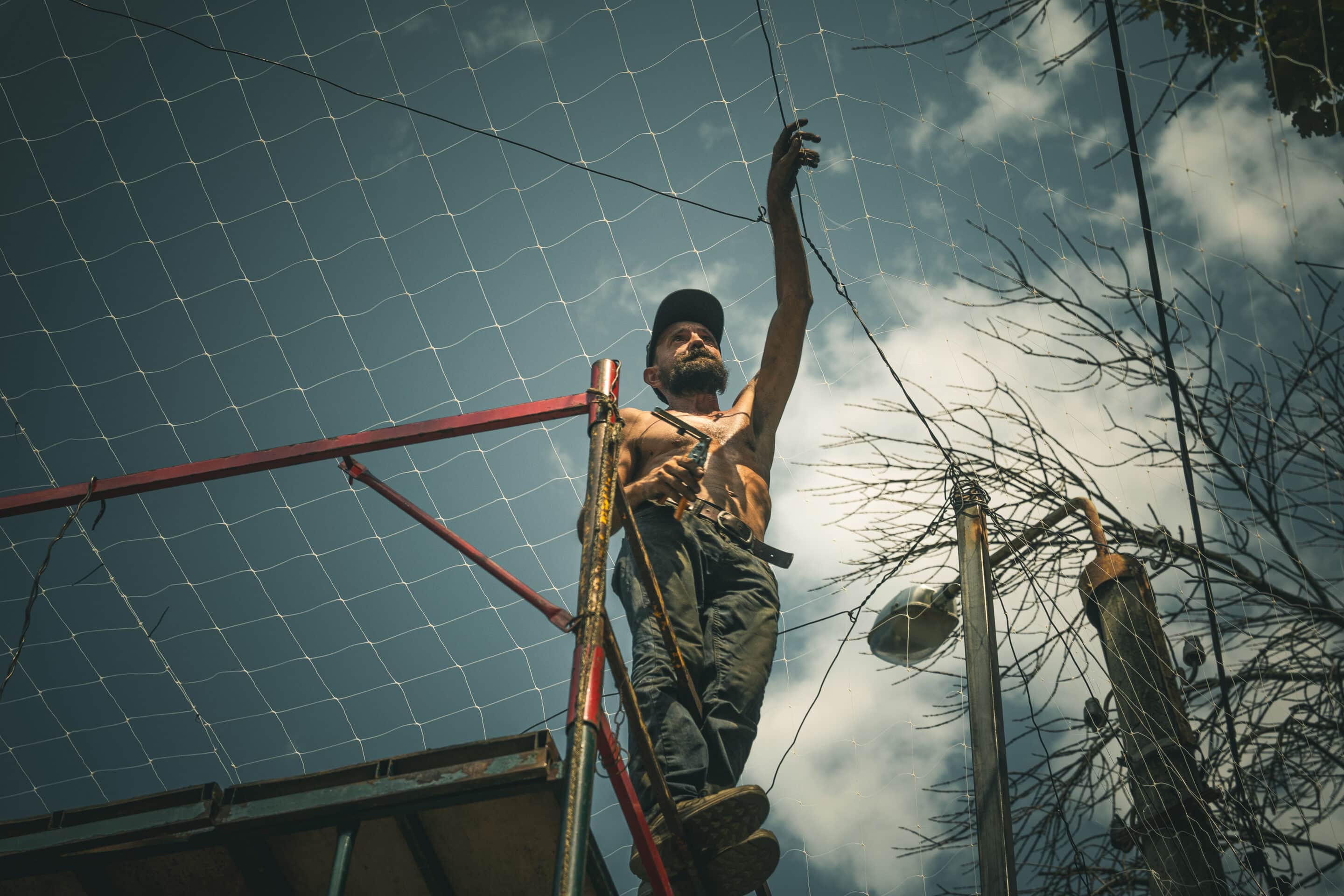
Anti-drone nets being installed in Kramatorsk, August 2026. © Murray Wegeler
Kyiv is counting on the twofold advantage this roughly forty-kilometre-long axis offers.
First, the urban fabric is substantial. Kramatorsk had 150,000 inhabitants before 2022, and Sloviansk about 105,000. Most civilians have been evacuated, but the forests of concrete buildings in these Soviet cities form a dense fortification. By comparison, Bakhmut, which the Russian army took nine months to capture at the cost of several tens of thousands of soldiers, had 70,000 people before 2022, and Pokrovsk, which it seized after 22 months — there too at a terrible price — numbered 60,000.
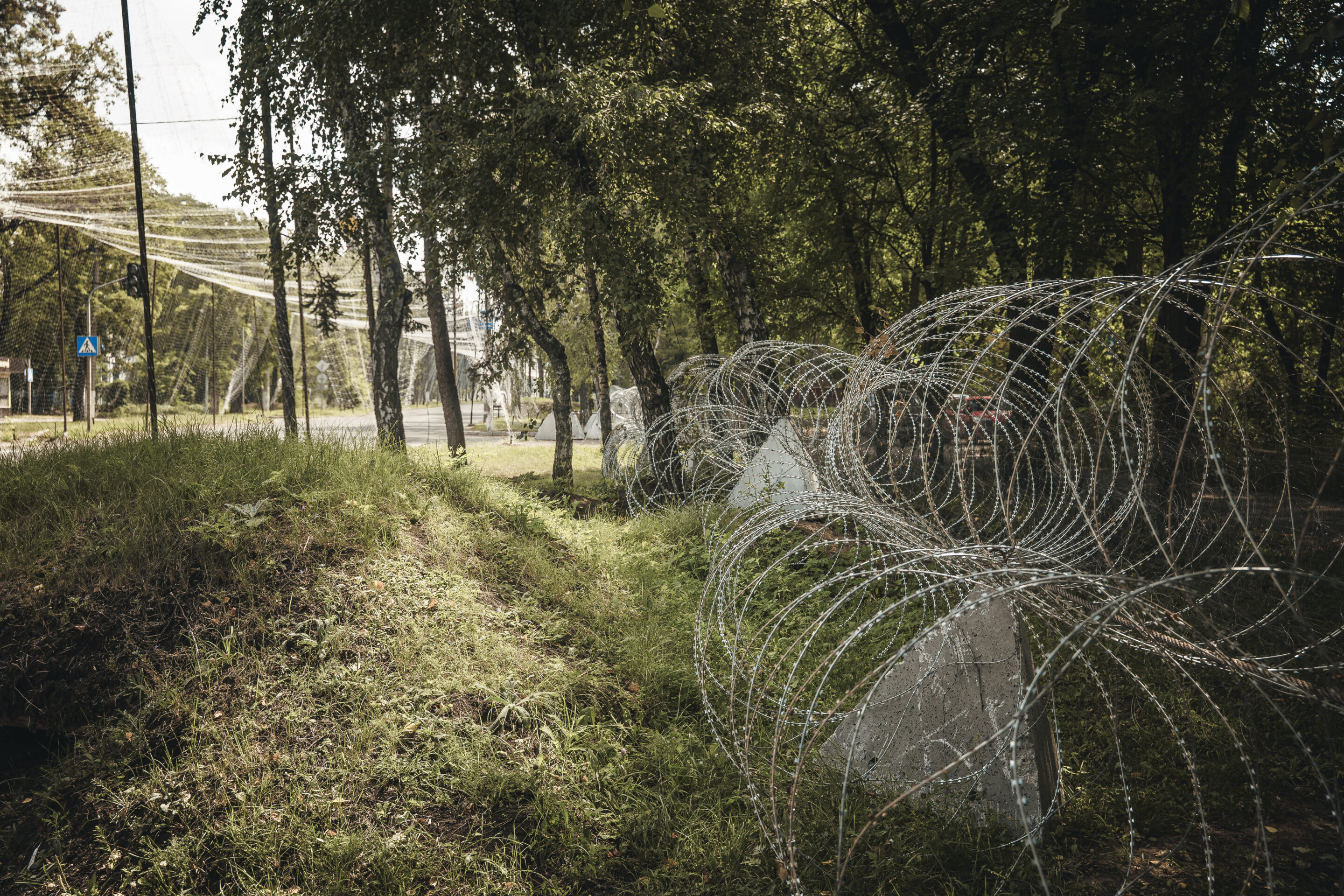
Urban fortifications in Kramatorsk. © Murray Wegeler
Read also: Orikhiv, ghost town
Next, the geography is very favourable. The Donbas is made up of plains, but Sloviansk and Kramatorsk are dominated by hills on their western side and by high ground on their eastern side. These elevations offer a great advantage to drone operators. Water is also a rampart. The northern flank is protected by the Siverskyi Donets and Oskil rivers, as well as by the many watercourses that meander without any pattern. This geography forces the Russians to come from the east, through the fortifications and the traps.
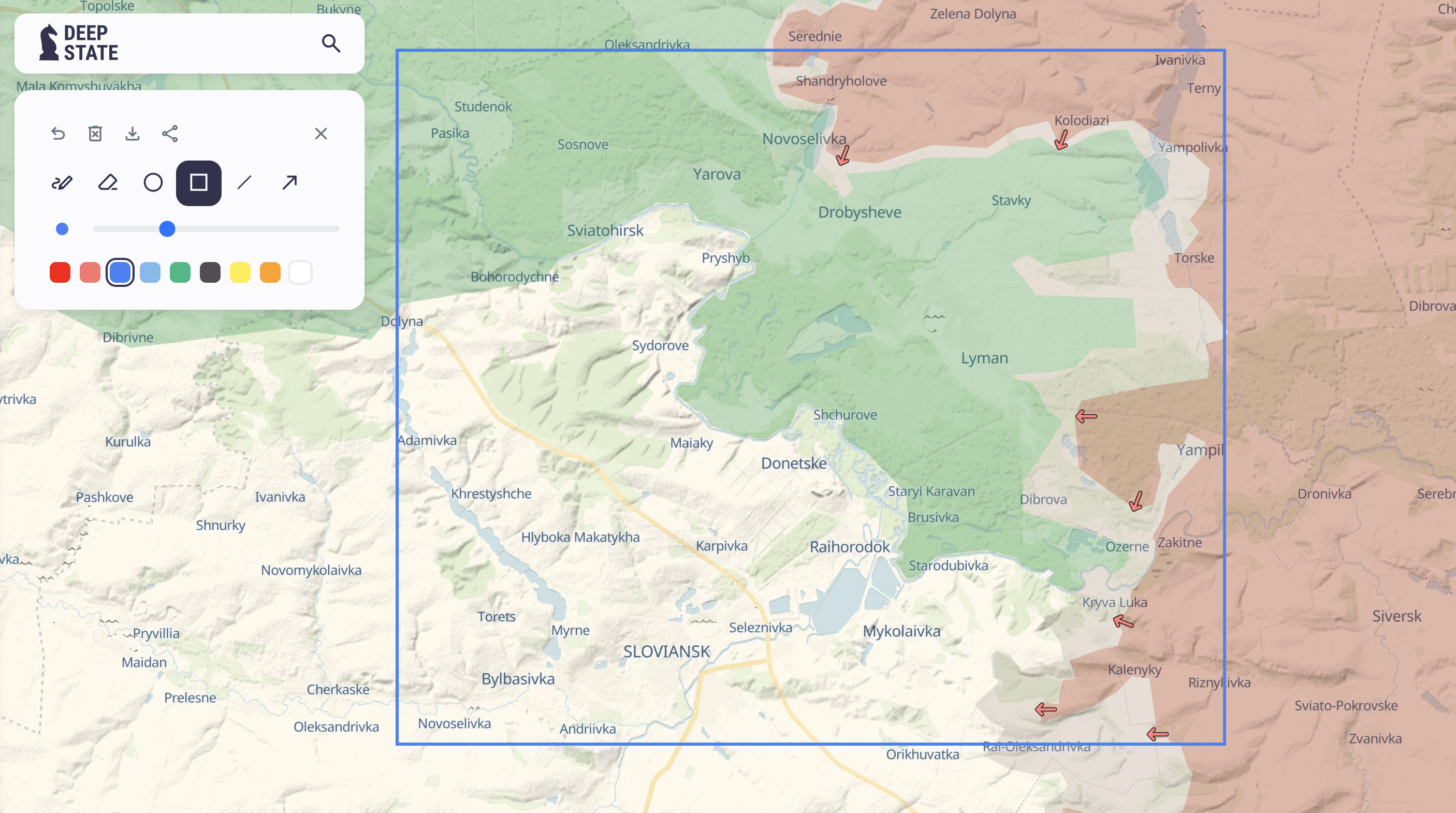
The advance is arduous and costly, but the Russian army has almost seized Kostiantynivka. The decisive offensive that will be launched in the coming months will demand a horrific effort of it. Ukraine too will respond with a terrible commitment, for the loss of the fortress would be the strategic loss of the Donbas.
Consequences of a fall of the fortress
Geographically, the fall of Sloviansk would offer the Russians the plains that stretch to the west of the city, allowing them to deploy massively and to advance like a fearsome roller. It would also open the road to Kharkiv, which Moscow wants to attack again after the failure of 2022. Already attacked from the north, Kharkiv is increasingly subjected to the pressure of drones, bombs and missiles that daily strike buildings and kill civilians at random. The Russian army wants to drain all the energy of the city and of its enterprising, patriotic, innovative youth, which contributes to the war effort more than anywhere else.
Finally, Kramatorsk and Sloviansk are two symbols. Kramatorsk because it has been a large industrial city since the 19th century, an important piece of the Donbas economy, and Sloviansk because it is the heart of the separatist insurrection that began in 2014.
Read also: Into the hell of the « Kill Zone »: surviving the kamikaze drones
The method: destroy and isolate
To seize the Donbas fortress, the Russian army therefore wants to reproduce what it has already done at Bakhmut and Pokrovsk: to destroy, little by little, the strategic buildings and the fortifications, to wear down mentally the soldiers who rest there, to force the evacuation of civilians, to isolate the forward positions from the cities and the cities from the road axes.
Missiles and KAB glide bombs never stop striking the urban infrastructure. For a year, the Russians have wanted to make up their lag on drones and are ramping up. FPVs now swarm above the streets and strike military — sometimes civilian — vehicles, more or less at random. To counter jammers and detectors, optical-fibre drones have appeared: slower, but neutralisable only by shooting them down. They can attack from the sky or lie in wait, set down at the roadside, at a gap in the protective net or at a crossroads, for some unlucky vehicle that might pass. Cars, lorries, soldiers and civilians are constantly hunted, tracked and worn down by a deadly swarm.
The vice tightens kilometre by kilometre, to the south, to the east, and also to the north, where the Russian army seems to hope to take Lyman and then seize the vital road. Autumn will be hard, and winter even more terrible than the last. It is possible that Russia will mobilise men on a massive scale in the coming months. They will be trained and ready by next spring. It will be very difficult for the Ukrainians — despite their technological superiority and the extraordinary determination of their soldiers — to withstand the Russian roller, which will not count its losses, so decisive is the stake for the rest of the war.
Read also: Artillery: a crucial issue for the war in Ukraine
Guy-Alexandre Le Roux is journalist and reporter.